Shared Investment Logic
Multiple participants invest together, making solar adoption more practical and reducing the cost burden on any one participant.
Collaborate on a shared solar project with Panchami’s Group Captive Model, designed for housing societies, industrial parks, corporate campuses, and multiple energy users who want to benefit from solar together. This model enables stakeholders to participate in a shared solar infrastructure, reduce individual energy costs, and secure long-term renewable energy savings.
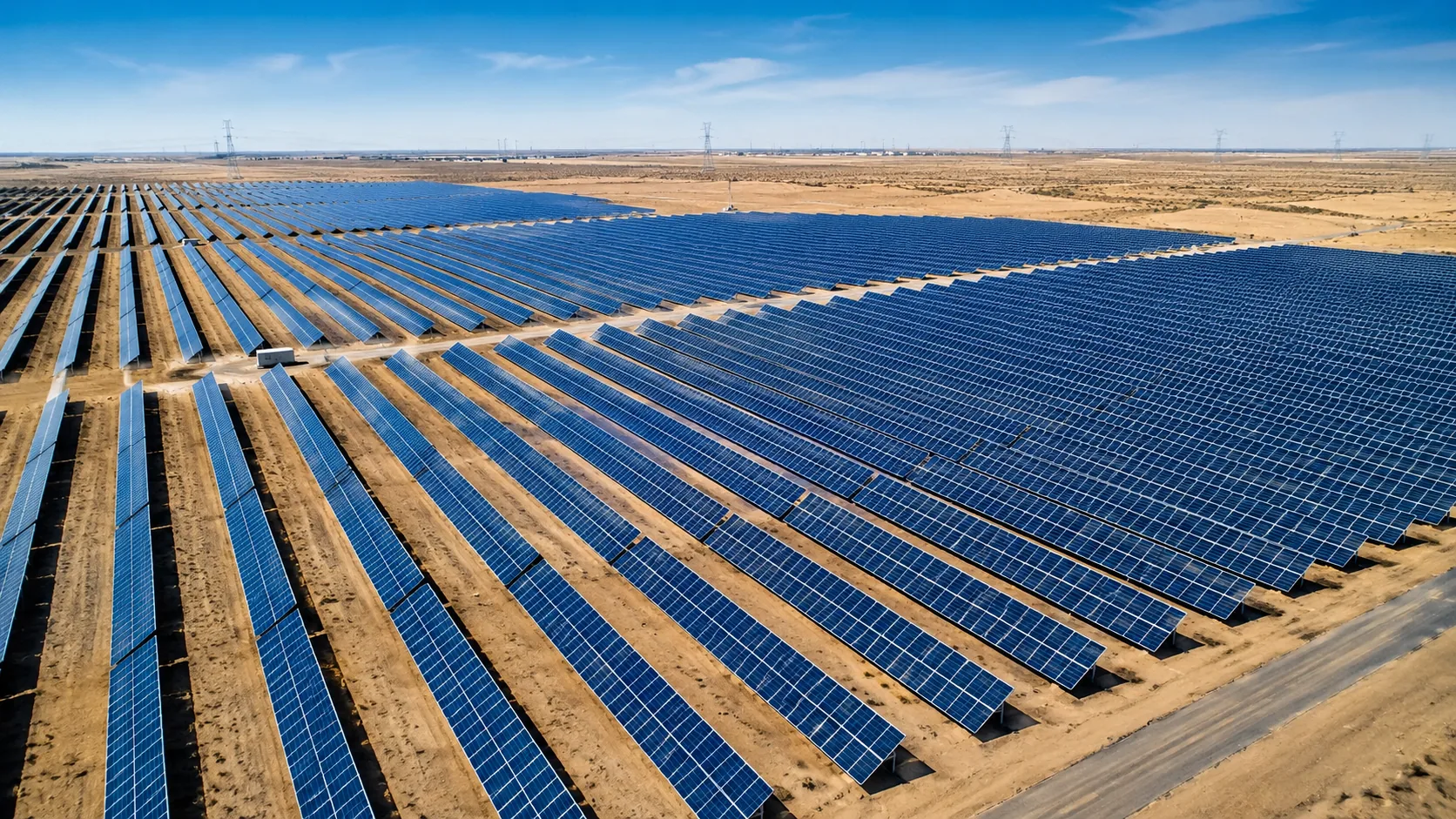
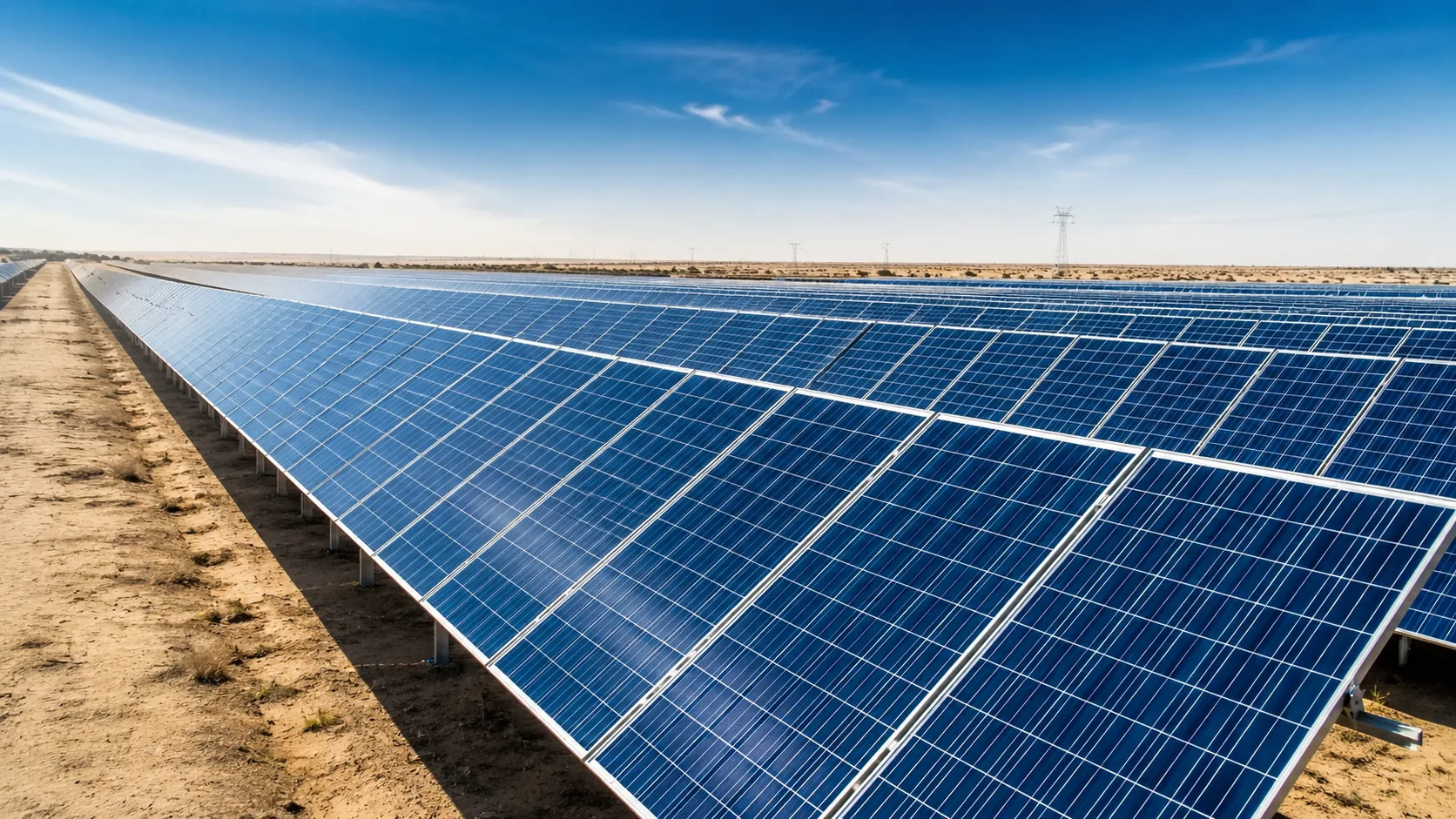
The Group Captive Model is a shared solar ownership structure where multiple consumers come together to invest in a solar project and use the energy generated from it. Instead of one single user owning the entire system, the investment and benefits are distributed among participating stakeholders.
This makes solar adoption more practical and affordable for groups such as housing societies, industrial parks, corporate campuses, and energy users with common or aligned consumption needs. With Panchami’s Group Captive Model, participants can access renewable power, reduce electricity costs, and benefit from a structured long-term energy arrangement.
The Group Captive Model is ideal for communities and organizations that want the long-term financial benefits of solar ownership while sharing the investment burden.
Multiple participants invest together, making solar adoption more practical and reducing the cost burden on any one participant.
Participants benefit from renewable energy savings through a shared project structure designed for long-term value.
The model supports cleaner energy use, better cost visibility, and future-focused energy planning across participants.
By sharing infrastructure and investment, participants can access renewable energy more efficiently while lowering the financial pressure of going solar alone.
Reduce individual costs while securing consistent energy savings. By participating in a shared solar project, each stakeholder benefits from solar without having to shoulder the full project cost alone.
Lock in low energy rates for up to 25 years. This helps participants reduce exposure to rising electricity tariffs and plan energy expenses with greater confidence.
Access tax benefits and regulatory incentives that may be available to eligible group captive participants, subject to applicable rules, policy conditions, and compliance requirements.
A common solar project allows multiple participants to benefit from one well-managed renewable energy asset, creating operational and financial efficiency.
Panchami helps organizations and communities adopt solar through a structured group model that balances affordability, compliance, and long-term energy value.
We understand the energy requirements of participating stakeholders and assess whether the Group Captive Model is suitable.
We help structure the shared solar model, participant allocation, investment contribution, and expected savings approach.
Panchami supports planning, development, installation, approvals, and commissioning of the shared solar project.
We support long-term project management, coordination, maintenance, and operational continuity for participating users.
This model works well for multiple stakeholders who want renewable energy savings without setting up separate individual structures.
For societies that want to reduce common-area electricity costs through a shared solar participation model.
For industrial users operating within a common ecosystem who want collective renewable energy savings.
For campuses or multi-unit business environments that want to share solar infrastructure and improve energy efficiency.
For groups of consumers who want to participate together in a structured solar energy model rather than invest individually.
Panchami helps groups adopt solar through a practical, well-managed, and financially sensible structure designed to improve accessibility, affordability, and long-term energy stability.
Panchami supports the planning and execution of group-based solar ownership models.
By sharing the investment, each participant can benefit from solar with lower individual financial pressure.
The model supports predictable pricing and long-term affordability.
Panchami helps manage the technical, operational, and compliance aspects required for successful project participation.
Understand the shared solar structure, suitability, savings logic, and long-term group participation model.
The Group Captive Model is a shared solar ownership structure where multiple participants invest in a solar project and benefit from the energy generated.
It is suitable for housing societies, industrial parks, corporate campuses, and groups of energy consumers who want to reduce costs through shared solar participation.
The key advantage is shared investment and shared savings. Participants reduce their individual cost burden while still benefiting from renewable energy.
Yes. The model can help participants access lower and more predictable energy rates over a long-term period, depending on project structure and agreements.
Yes, certain regulatory benefits and tax-related incentives may apply to eligible group captive participants, subject to applicable rules and compliance requirements.
Yes. Panchami supports the model through assessment, structuring, project execution, and long-term operational support.
Explore Panchami’s Group Captive Model and see how shared solar participation can reduce energy costs, improve affordability, and create long-term renewable energy value.